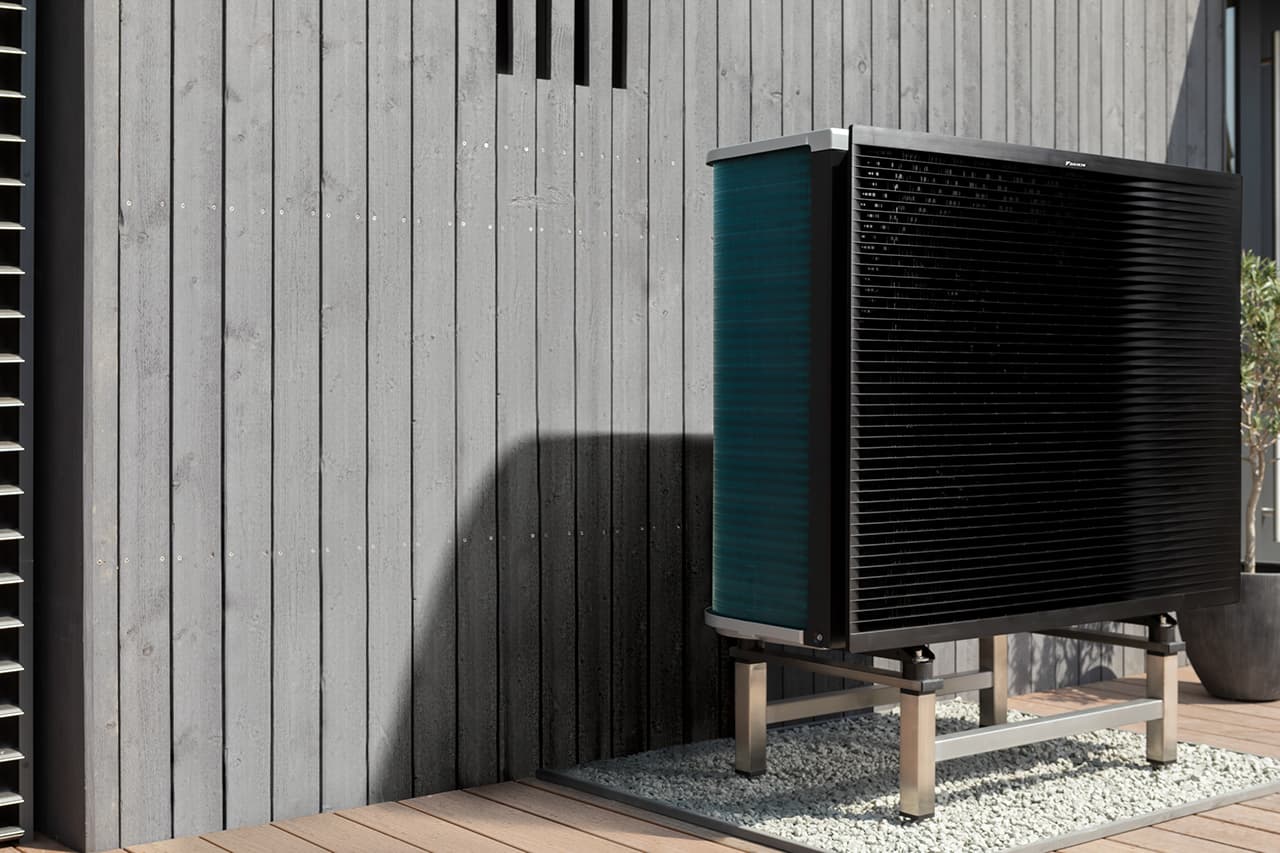
Lose the boiler. Keep the radiators.
Replace Your Boiler, Your AC, and Your Water Heater With One Quiet Box.
The Daikin Altherma is a new kind of cold-climate heat pump. It heats your home, cools your home, and makes your hot water, all on electricity, and it works with the radiators you already have.
Authorized installer
One of a Select Few Long Island Contractors Cleared to Sell the Altherma.
Daikin is launching the Altherma slowly and only releasing it through contractors who have completed their full training program. Our founder Andrew spent eight years inside Daikin before starting PHA, and that relationship is why we are on the launch list. If you call any other Long Island shop today, they cannot get the equipment.
Altherma
Authorized
2026 Launch Dealer
On This Page
The Basics
What the Altherma Actually Is
A regular heat pump moves refrigerant from an outdoor compressor into the rooms of your house. It either blows the heat through ducts or pushes it out of a wall-mounted head. That works great if you have ducts or you want mini-splits. It does not work if you have radiators or baseboard.
The Altherma is different. It is an air-to-water heat pump. The outdoor unit heats or chills water, and that water gets pumped into a small indoor box on your wall. From there, the same water that used to come out of your boiler runs through whatever you already have: radiators, baseboards, in-floor radiant, fan coils, or a ducted air handler.
It is also the only cold-climate heat pump on the market that can hit 158F water. That number matters because it is hot enough to actually drive radiators. Most heat pumps top out around 120F, which is fine for radiant but useless for the cast iron rads in a Long Island colonial.
And while it is doing all of that, it also makes your domestic hot water through a dedicated tank. One outdoor unit. One indoor box. One hot water tank. No boiler, no AC condenser, no water heater. All electric.
Fit Check
Is the Altherma Right for Your House?
Seven quick questions. We will tell you honestly whether this system fits your home.
1.What heats your home today?
2.What kind of heat do you have inside the house?
3.How old is your current heating equipment?
4.What is your current cooling situation?
5.What is your home's electrical service?
6.About how big is your home?
7.When are you thinking about doing this?
Answer all seven questions to see your result.
Three Jobs, One System
How It Works
Heating
Outside, the compressor pulls heat out of the air, even in single-digit weather. That heat moves into water through a sealed heat exchanger. The hot water gets pumped into your house and through your existing radiators, baseboards, or radiant loops at the temperature each zone needs.
Cooling
Summer flips the cycle. The same outdoor unit chills water and the indoor box circulates it through fan coil convectors or a hydronic air handler on your ductwork. Quiet, even, no oversized condenser droning in the yard.
Hot Water
A stainless steel tank sits next to the indoor box. When you call for hot water, a built-in valve redirects flow to the tank's heat exchanger and brings it up to temperature. Recovers about 50 gallons per hour. Anti-Legionella cycle built in.
The Hardware
Inside the System
The whole setup is four pieces and they fit in a closet.
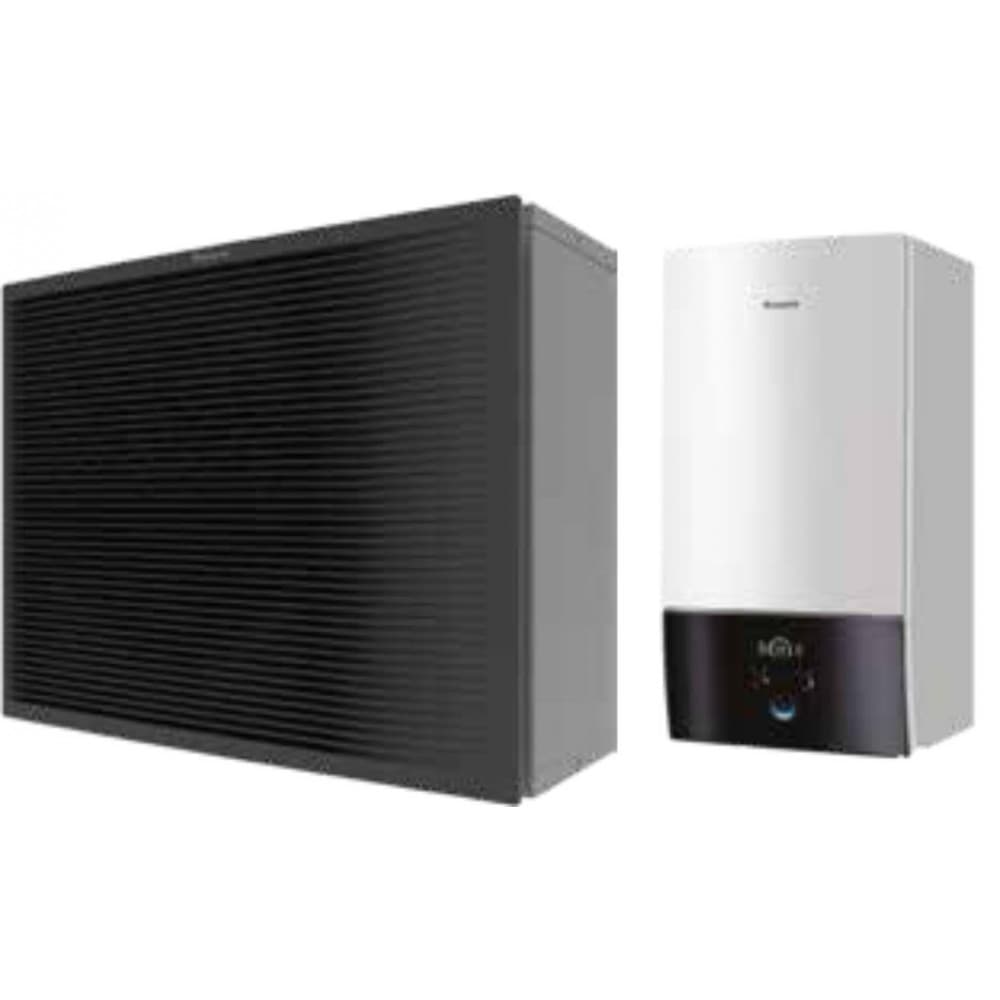
The outdoor unit and the indoor hydrobox. The tank lives next to the hydrobox indoors.
Outdoor unit
Single-fan, R-32
Compact enough to fit under a windowsill. 36,000 or 43,000 BTU. 38 dBA standard, 35 dBA in low-sound mode. All refrigerant is sealed inside; only water lines run into your house.
Indoor hydrobox
Wall-mounted, 17 x 15 in
Replaces the footprint of a combi boiler. Contains the circulating pump, expansion vessel, filters, controls, and a 6 kW electric backup heater. The Daikin Eye on the front shows real-time system status.
Hot water tank
40, 50, or 80 gallons
Stainless steel indirect tank with a 3 kW booster heater. Recovers about 50 gallons per hour. Programmable anti-Legionella cycle built in. NSF-61 certified for potable water.
Your existing emitters
Radiators, baseboards, radiant, or fan coils
Mix and match. You can run radiant on the first floor and convectors upstairs on the same system. Each zone runs at the temperature it actually needs.
Comfort by Zone
How the Heat Reaches Each Room
The Altherma can drive almost any hydronic emitter. Existing radiators or baseboards, radiant floor loops, brand-new Daikin convectors, even a heated towel warmer for the bathroom. Mix and match by zone, all on the same outdoor unit.
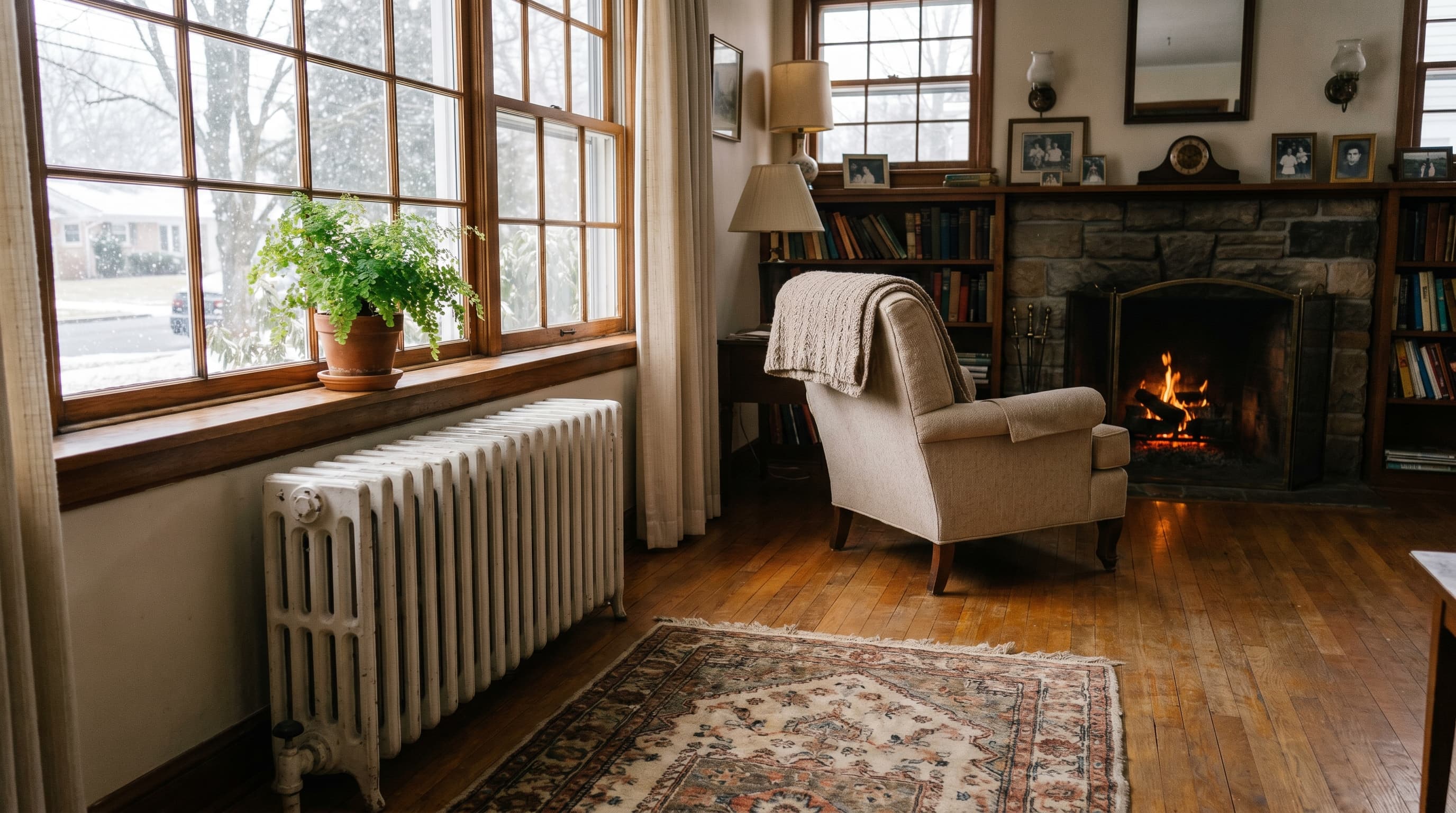
Existing Radiators
150–158°F water
Cast iron, steel panel, or designer radiators. Keep what you have. Plug-and-play boiler replacement.
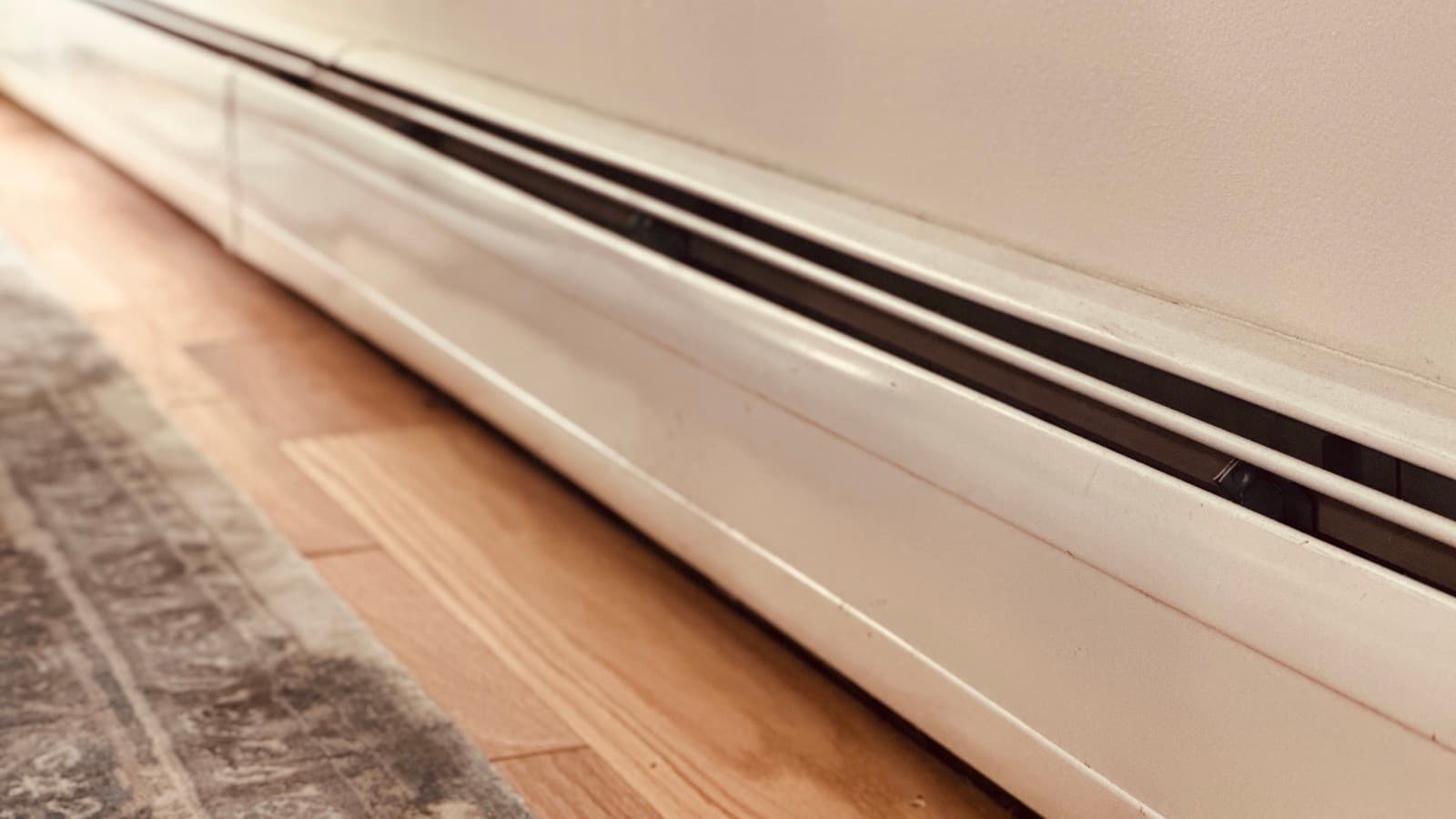
Hydronic Baseboards
140–160°F water
Classic Long Island baseboard. The Altherma drives existing fin-tube loops the same way your boiler does, just without the boiler.
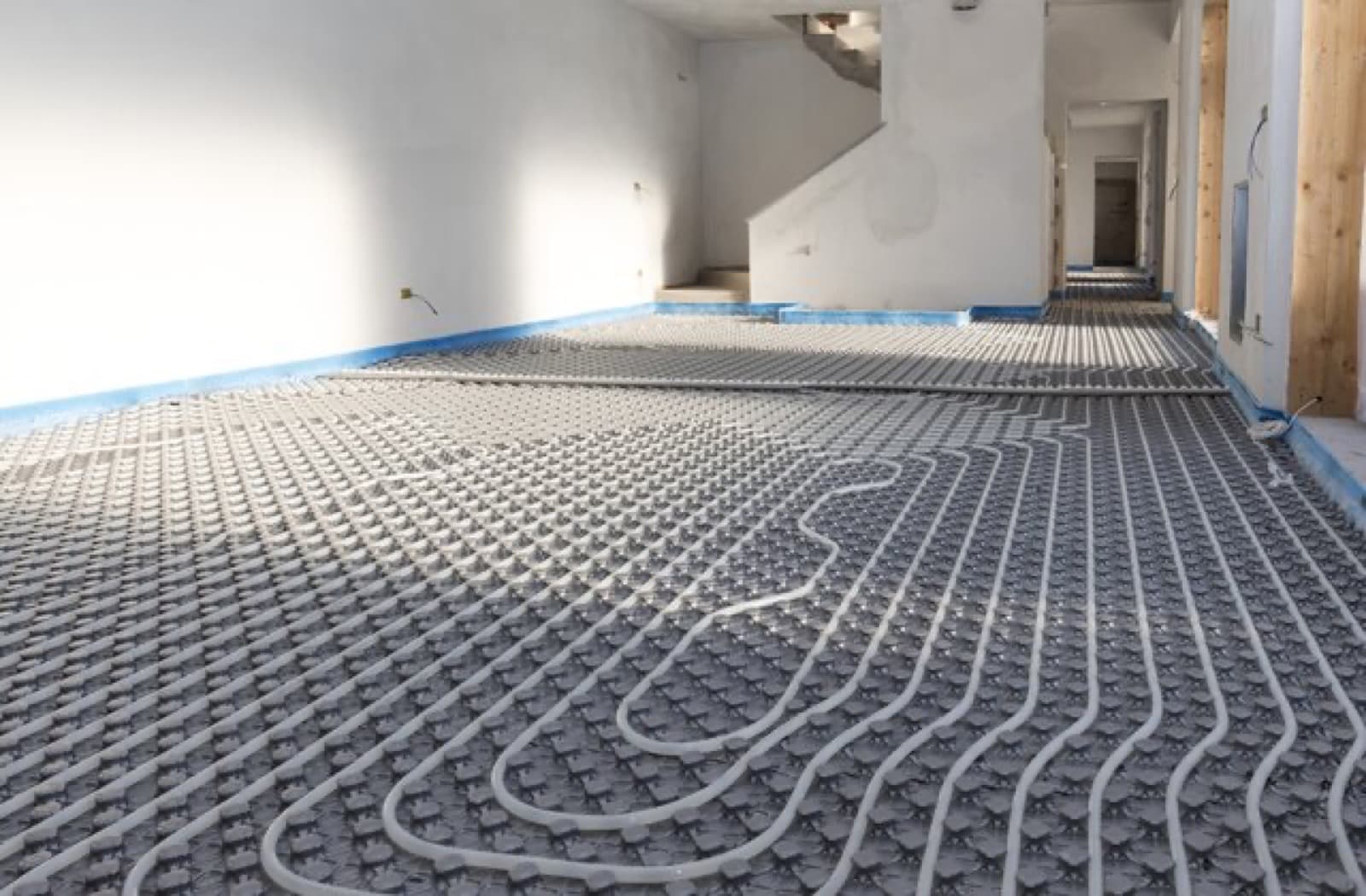
Radiant Floor Heat
95–105°F water · highest COP
Existing radiant loops or new pours. Lowest water temperature means the highest efficiency the system can run at. Bedrooms, basements, additions, baths.
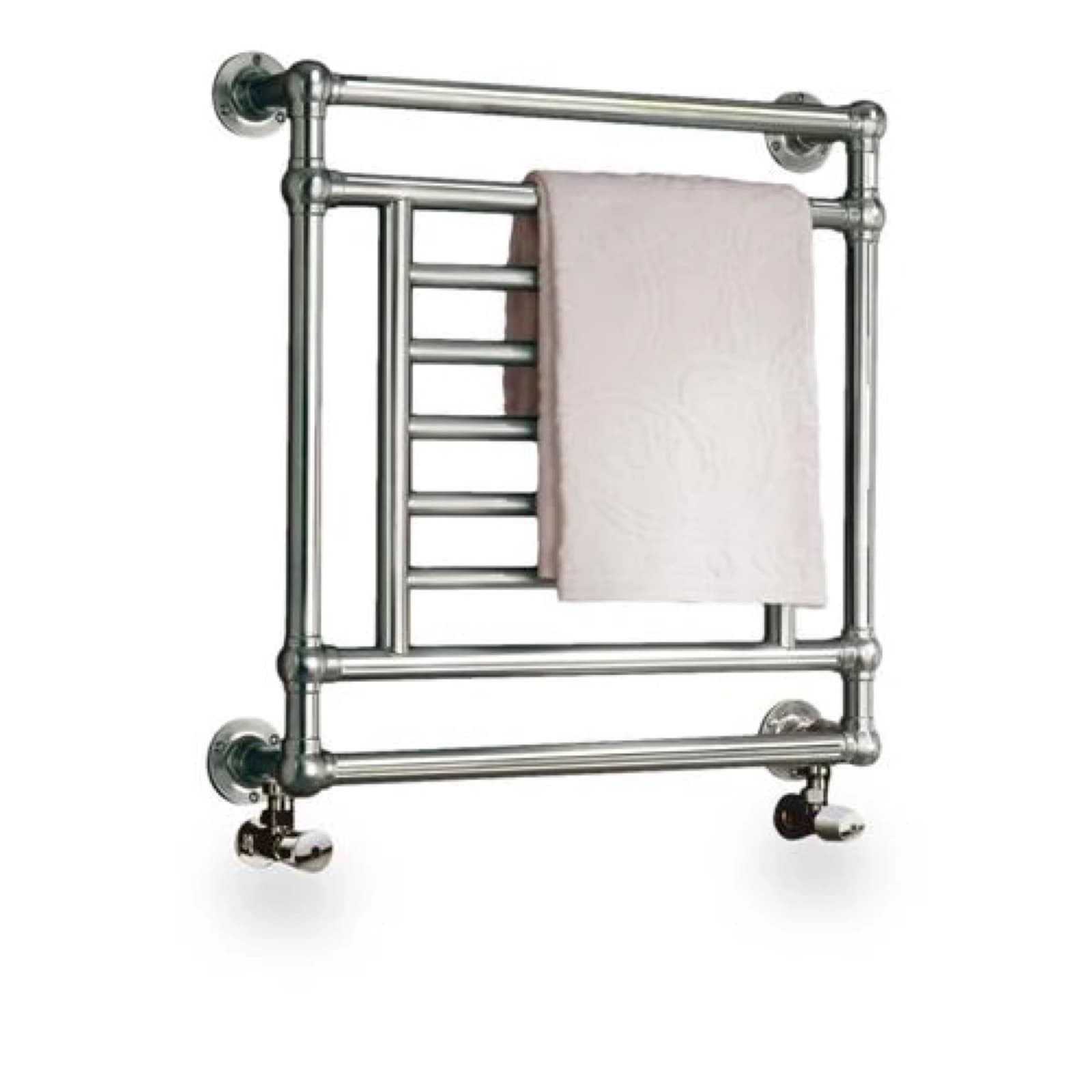
Towel Warmers
Bathroom luxury
Heated towel rail on the same loop. Doubles as bathroom heat. Easy upgrade when you're already doing the conversion.
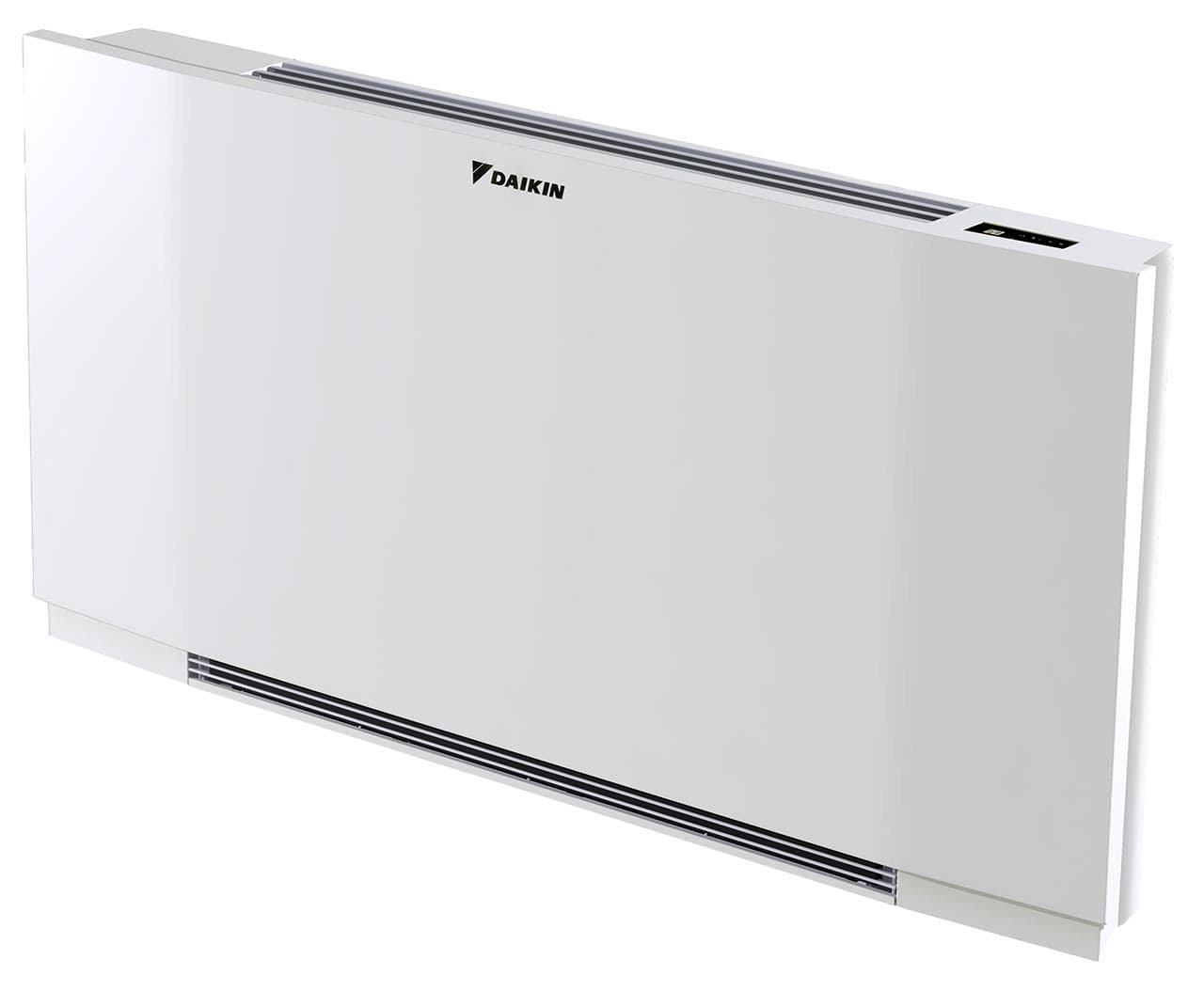
Daikin Floor Convector
FWXV · 3k–7k BTU
Slim wall-hugging unit. Quiet and efficient at lower water temperatures. Great for rooms without existing emitters or for a fresh install.
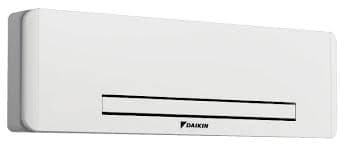
Daikin Wall Convector
FWXT · 3k–7k BTU
Compact high-wall unit. Perfect for bedrooms, additions, or finished basements where floor space is tight.
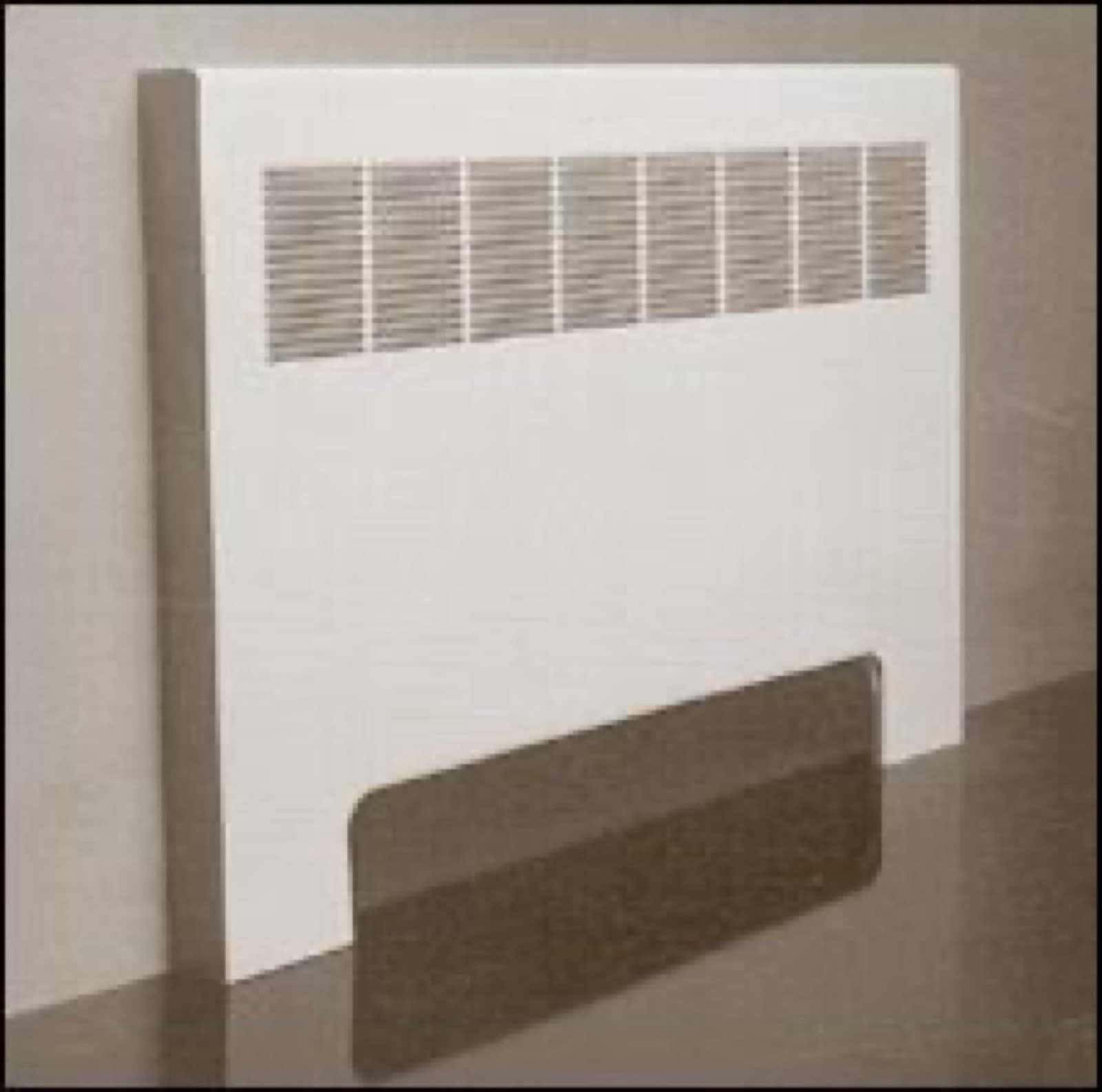
Cabinet Convector
Beacon Morris · high output
Tall cabinet style for entryways and high-load rooms. Throws more heat in less wall space than baseboard.
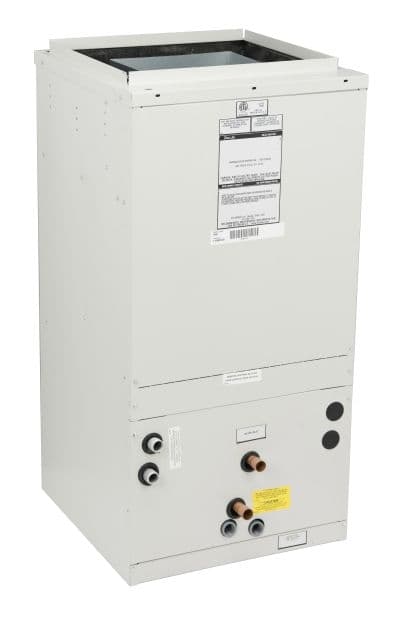
Ducted Air Handler
Hydronic · 24k–60k BTU
Hydronic air handler that ties into existing or new ductwork. Heats and cools through the registers you already have.
Most Long Island retrofits end up running two or three emitter types in different parts of the house. We map it out during the assessment.
The Quiet Win
No Refrigerant Inside Your House. Just Water.
Every other heat pump on the market, including ductless mini-splits and central air-to-air systems, runs refrigerant lines into the rooms of your home. Each indoor head, each air handler, each evaporator coil is a sealed but possible leak point inside the living space.
The Altherma works differently. All of the refrigerant lives in the outdoor unit, sealed at the factory, never opened in the field. The only thing that runs from the outdoor unit into your house is a pair of insulated water lines. The indoor hydrobox is a water box. The lines to your radiators, baseboards, convectors, or radiant loops are water lines.
No refrigerant connections to make inside the house. No refrigerant leaks inside the house. No refrigerant for a curious kid, a pet, or an aging coil to ever come into contact with. And the refrigerant we do use outside, R-32, has roughly a third the global warming potential of the R-410A that older heat pumps and central AC systems use.
What enters your house
- Water (supply line)
- Water (return line)
- Low-voltage control wire
- Refrigerant lines
- Indoor refrigerant coils
- Field-made refrigerant joints
The Cold Question
Will It Actually Heat My House in February?
Yes. The Altherma puts out full heating capacity down to about 5F outside, with no help from the electric backup. It keeps producing usable heat down to -18F. The coldest official temperature ever recorded on Long Island is -5F.
It also outperforms most other cold-climate hydronic heat pumps by a wide margin at the low end. At 5F outside, the Altherma can put out around 40,000 BTU. The next-best brand in the same lineup tops out around 18,000 BTU at the same temperature. That difference is the difference between a heat pump that quietly keeps you warm and one that hands the load off to a backup.
If you want extra peace of mind, we can keep your existing oil or gas boiler in the basement as a manual backup for the kind of week we get every decade or two. Most homeowners do not bother. The system was designed to stand on its own through a Long Island winter.
Incentives
The Rebate Picture Is Actually Better Than Usual. Here Is the Honest Read.
The federal landscape changed at the end of 2025. The 25C tax credit that covered heat pumps and heat pump water heaters expired on December 31, 2025 and is not available for systems installed in 2026 or later. The good news is that the New York State and PSEG Long Island programs are still active and they are the bigger numbers anyway.
The Altherma is also a new category, so even within those state and utility programs the rebate picture is still being worked out, including by Daikin themselves. It qualifies as a cold-climate heat pump and it qualifies as a heat pump water heater. Both categories have their own incentive lanes. The open question nobody has a definitive answer on yet is whether the same machine can stack incentives in both lanes at once, since it is doing both jobs. That could meaningfully change the math in your favor.
We are tracking it and we will tell you exactly what stacks on your project before you sign anything.
PSEG Long Island
Heat pump rebate
Residential Clean Heating and Cooling rebate, with higher tiers for oil-to-electric conversions. Income-qualified households may qualify for full coverage through Home Comfort Plus. There is also a separate PSEG heat pump water heater rebate that the Altherma's hot water side appears to qualify for.
NYSERDA Clean Heat
Per-ton incentive
New York State pays per ton of installed cold-climate heat pump capacity through the NYSERDA Clean Heat program. Confirmed eligibility once the AHRI bundle is on the qualified list.
What's Covered
Warranty
Daikin covers the equipment, we cover the install. We file the warranty registration on your behalf so it's active from day one.
5 Years
Outdoor Unit
Parts warranty on the outdoor heat pump unit, the compressor's home.
5 Years
Indoor Hydrobox
Parts warranty on the wall-mounted hydrobox, including the backup heater, pump, and controls.
5 Years
Hot Water Tank
Parts warranty on the stainless steel domestic hot water tank and booster heater.
1 Year
Convectors & Accessories
Parts warranty on Daikin floor and wall convectors and other emitter accessories.
PHA Labor
1 Year on Our Workmanship
If something we installed needs to be revisited within the first year for any reason tied to our install, we come back and make it right. No diagnostic fee, no labor charge.
Optional Add-On
+2 Years on the Compressor
Daikin offers an additional two years of compressor coverage for a one-time upcharge. We mention it in the quote so you can decide whether to add it.
Annual maintenance (a tune-up once a year) is what keeps the manufacturer warranty enforceable. Most homeowners pair the install with one of our maintenance plans to handle this automatically and stay on top of system performance through the smart monitoring.
Scope It to Your Budget
Do It All at Once, or Phase It In
Most Long Island Altherma projects ship in one shot, but they don't have to. The system was designed for hydronic distribution from day one, so every later phase is mostly water lines.
The Boiler Job
Heat and Hot Water First
Outdoor unit, indoor hydrobox, and hot water tank. We connect to your existing radiators or baseboards and decommission the boiler. Oil tank out if you're on oil. Hot water moves over to the heat pump.
Your existing central AC keeps running for the summer.
When You're Ready
Add Cooling
The outdoor unit is already a cooling unit. No equipment change at the heat pump. We add a hydronic air handler on your existing ductwork, or drop in Daikin convectors in the rooms you want cooled. Mostly piping work from the hydrobox out.
Natural to do when your old central AC reaches end of life.
As You Renovate
Add Comfort Zones
Radiant under a renovated basement floor. A heated towel warmer in a new bathroom. A wall convector in a finished attic. Each new zone runs at its own water temperature on the same outdoor unit.
Smaller add-ons that follow your remodels.
We map the phasing out during the assessment based on what equipment you already have, what's near end of life, and what your budget looks like. No pressure to do it all in one project if it doesn't fit your year.
The Project
What the Project Looks Like
From first text to commissioning, the typical Altherma project runs about three to four weeks.
Free Assessment
We visit, measure, look at your existing system, and run a Manual J load calculation. We tell you straight whether the Altherma is the right move or not.
Custom Proposal
Detailed quote with the equipment bundle, your stacked rebate breakdown, and financing options. No high-pressure pitch.
Install
Typical install is 2 to 4 days. We pull permits, handle the electrical work, remove your oil tank if needed, and clean up after ourselves.
Commissioning
We run through the nine-step Daikin commissioning wizard, tune the outdoor reset curves for our climate, test every zone, and walk you through the controls and the Skyport Home app.
Common Questions
Altherma FAQ
The Altherma is an air-to-water heat pump. Instead of moving refrigerant into your house like a typical heat pump, it heats or chills water outside and pumps that water inside. That water can run through your existing radiators or baseboards, through in-floor radiant, through fan coil units, or through a ducted air handler. The same system also makes your domestic hot water. One outdoor unit, one indoor box, and a hot water tank replace your boiler, your AC, and your water heater.
Daikin is launching the Altherma slowly and only releasing it to contractors who have completed their full training program and have direct support relationships with Daikin. PHA was selected because of our prior Daikin work and our hydronics experience. Equipment will not leave the distributor's dock for a contractor who is not on the authorized list.
Yes. This is the part that makes the Altherma different from every other cold-climate heat pump on the market. It produces water up to 158F, which is hot enough to drive existing cast-iron radiators and baseboard. Most other heat pumps top out around 120F, which only works with radiant or fan coils. If you have a boiler and radiators today, you can keep the radiators and lose the boiler.
Yes. The Altherma puts out full heating capacity down to about 5F outside, which covers almost every Long Island winter day. It keeps running down to -18F. The built-in electric backup heater only kicks in on the rare extreme nights. You do not need to keep an oil or gas boiler as backup, although you can if you want belt-and-suspenders peace of mind.
Honest answer: the picture changed at the end of 2025. The federal 25C tax credit that used to cover heat pumps expired on December 31, 2025 and is gone for 2026 installs. The bigger programs are still active though. The Altherma qualifies as a cold-climate heat pump under NYSERDA Clean Heat and PSEG Long Island's heat pump rebate. It is also a heat pump water heater, which has its own PSEG rebate. The open question that even Daikin has not pinned down yet is whether the same machine can stack incentives in both categories on a single install, since it is doing both jobs. We are tracking it and we will tell you exactly what stacks on your project before you sign anything.
The outdoor unit runs at 38 dBA in normal mode and 35 dBA in low-sound mode, measured at 10 feet. For comparison, a typical central AC condenser is around 60 dBA. You can stand next to the Altherma and have a normal conversation.
Yes, and there is none of it inside your house. All of the refrigerant lives in the outdoor unit, sealed at the factory, never opened in the field. The lines running into the house carry water, not refrigerant. The refrigerant itself is R-32, with roughly a third the global warming potential of the R-410A that older heat pumps and central AC systems use.
A typical Altherma install runs 2 to 4 days depending on how much existing piping we can reuse, whether we are removing an oil tank, and whether your electrical panel needs work. We walk you through the timeline during your estimate.
Have a question that is not here? Text us at (631) 209-7090 or call.
Service Area
Altherma Installs Across Suffolk County
Based in Patchogue. We install across the south shore and the surrounding communities.
Ready to Get Comfortable?
Text us today or book online. No pressure, no surprises. Honest HVAC service from your Patchogue neighbors.